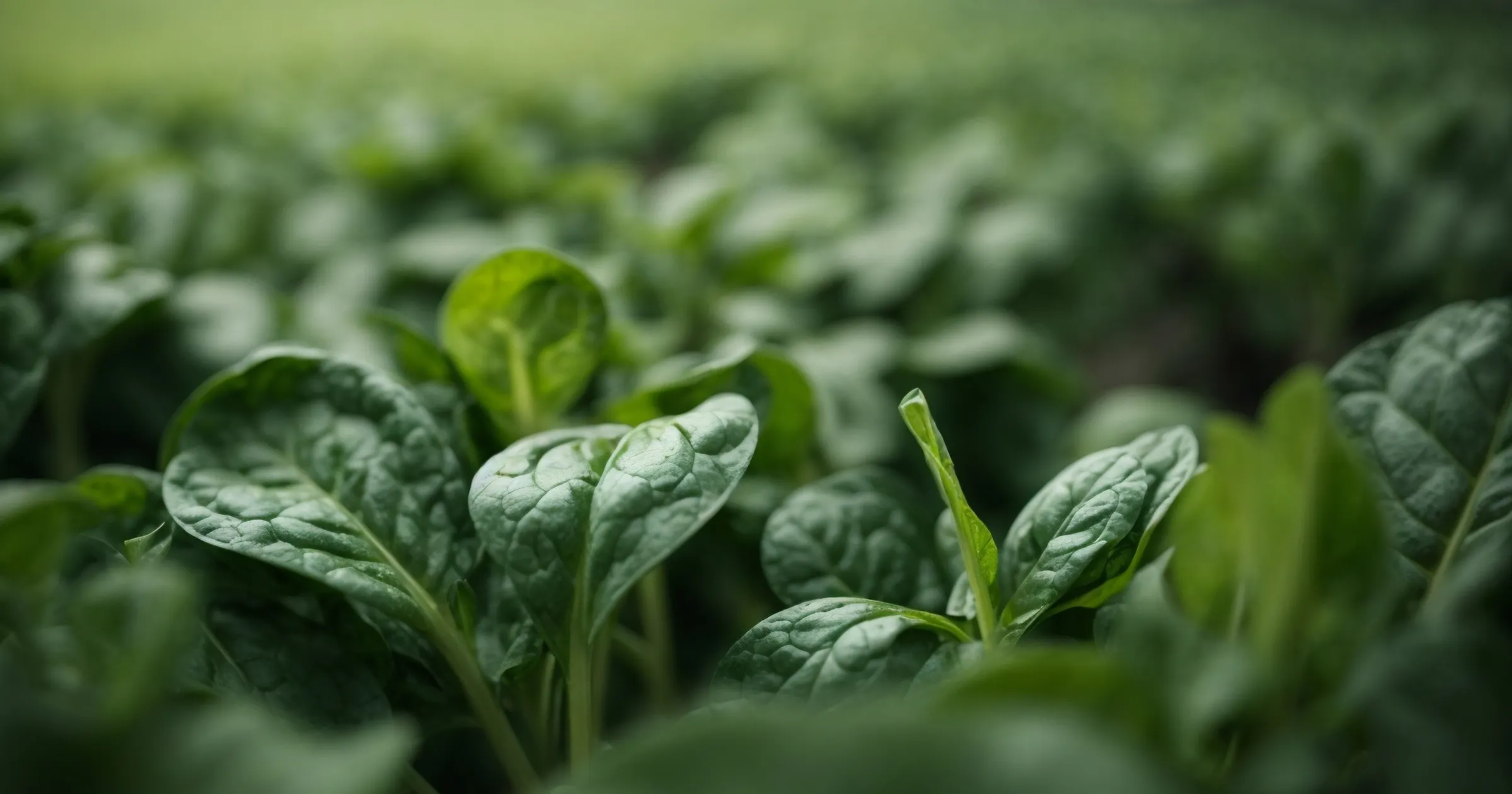
Vertical farming and facade farming are the process of growing produce or plants vertically, rather than traditional open field farming. Vertical farming is a rapidly growing innovation that uses modern technology to grow vertically stacked plants. In large facilities, the environmental conditions, as well as nutrients, air, water and CO2 input and output are carefully controlled. The verticality means it is possible to grow more produce with less horizontal space, and the ability to completely control indoor conditions means high-nutrient, diverse produce can be grown without consideration of weather conditions. Vertical farming uses significantly less water and land than traditional farming.
‘Vertical farming’ as a term has been used to cover a broad range of approaches, from personal- or community-scale vegetable and herb growing to vast skyscrapers for commercial production of a wide range of crops (Beacham et al., 2019).
‘Facade farming’ also uses vertical space to grow plants, but rather than growing plants in controlled indoor facilities, this occurs on the facades of existing or new buildings. As cities densify and populations grow, using vertical space to grow food may be a key strategy to adapt to climate change.
Name of NbS
Vertical farms/facade farming
Type of NbS
created or constructed living ecosystems
Location
urban
Case Study

Technical requirements
Large scale vertical farming is controlled carefully within each facility. There are various phases that can be controlled, monitored and continuously improved. Each of these phases requires different types of equipment and systems, as well as technical and plant knowledge:
Propagation
Seeds are planted and propagated into seedlings under lights. Different lights, temperatures and locations have an effect on root growth, speed of growth and how the seeds absorb nutrients.
Seedlings
Seedlings become adult plants within the vertical farm.
Harvest
Plants are harvested, new seedlings are planted, and the plants are monitored.
Conditions
The microclimate around the plants is constantly monitored. Each facility has a system for how air, water, CO2 and nutrients are delivered to each plant to ensure maximum health and yield of the plant. Ventilation and shading are also typically monitored.
Monitoring
A large-scale facility constantly monitors data and performance to alter things such as air, temperature, shade, water, and nutrient levels. This requires coordination.
In local or private gardens, the creation and maintenance of a vertical farm would focus on the same things, but on a smaller scale. To ensure the farm’s success; the health of the plants needs to be monitored and the conditions adjusted accordingly.


Opportunities, Issues and Barriers
As Oceanic regions continue on the path of rapid urbanisation, there is an opportunity to embrace vertical farming as an innovative, new way to cultivate fresh produce. More people are moving into our cities, and we need to find ways to create locally sourced produce on larger scales.
Vertical farming can be introduced on small and large scales. There are now companies in Aotearoa New Zealand and Australia that produce vertical farm systems that businesses can introduce to their factories, to supplement or avoid open-field farming. This is an opportunity for businesses in Oceania cities to switch to locally-grown produce. There are also opportunities for large retailers to embrace locally sourced vertical farming, rather than sourcing non-locally or even from overseas. On a smaller scale, people can adopt vertical farming in their private gardens, using less space to grow their own food. The cost of setting up and running the facilities is the main barrier, but as technology improves, so too may the cost-effectiveness.
Financial case
There is a clear cost-benefit analysis to be made. The cost of setting up and maintaining the facilities is offset by the benefit of having locally sourced, nutrient-dense produce available, using less space, and contributing to climate change adaptation. The process is more sustainable, requires less labour and less chemicals, creates more diverse plants and can create more reliable crop cycles.

References
- Beacham, A. M., Vickers, L. H., & Monaghan, J. M. (2019). Vertical farming: a summary of approaches to growing skywards. The Journal of Horticultural Science and Biotechnology, 94(3), 277–283. https://doi.org/10.1080/14620316.2019.1574214
- Bisianni, T., Basso, S., Martolana, P., & Venudo, A. (2022). Vertical Farm: from Agriculture to a New City Architecture. Scientifc Research Papers.
- Eden Green Technology. (2024). What Is Vertical Farming? Everything You Should Know About This Innovation. Eden Green Technology. https://www.edengreen.com/blog-collection/what-is-vertical-farming
- Kalantari, F., Tahir, O. M., Joni, R. A., & Fatemi, E. (2018). Opportunities and Challenges in Sustainability of Vertical Farming: A Review. Journal of Landscape Ecology, 11(1), 35–60. https://doi.org/10.1515/jlecol-2017-0016
- Kuhlken, R. (2002). Intensive Agricultural Landscapes of Oceania. Journal of Cultural Geography, 19(2), 161–195. https://doi.org/10.1080/08873630209478292
- Masterton, V. (2022). Vertical farming – is this the future of agriculture? Climate Champions. https://climatechampions.unfccc.int/vertical-farming-is-this-the-future-of-agriculture/?gad_source=1&gclid=CjwKCAjw8diwBhAbEiwA7i_sJaXpJu6Cx1XL2wkyJas3OzT8QW8fOVx-poJ4YrKoHlWbaM6Ipoxz4hoC1MwQAvD_BwE
- Marius-Catalin, I. (2022). Vertical Farms: A business model built for the future? A Thesis in Biotechnology and Entrepreneurship. University Of Agronomic Sciences And Veterinary Medicine Of Bucharest. https://www.researchgate.net/publication/361735077_Vertical_Farms_A_business_model_built_for_the_future
- Shahda, M. M., & Megahed, N. A. (2023). Post-pandemic architecture: a critical review of the expected feasibility of skyscraper-integrated vertical farming (SIVF). Architectural Engineering and Design Management, 19(3), 283–304. https://doi.org/10.1080/17452007.2022.2109123
- Song, S., Cheong, J. C., Lee, J. S. H., Tan, J. K. N., Chiam, Z., Arora, S., Png, K. J. Q., Seow, J. W. C., Leong, F. W. S., Palliwal, A., Biljecki, F., Tablada, A., & Tan, H. T. W. (2022). Home gardening in Singapore: A feasibility study on the utilization of the vertical space of retrofitted high-rise public housing apartment buildings to increase urban vegetable self-sufficiency. Urban Forestry & Urban Greening, 78, 127755. https://doi.org/10.1016/j.ufug.2022.127755
- Tablada, A., & Kosorić, V. (2022). Vertical farming on facades: transforming building skins for urban food security. In Rethinking Building Skins (pp. 285–311). Elsevier. https://doi.org/10.1016/B978-0-12-822477-9.00015-2
- Wang, Y., Zhang, X., Zhang, Y., Zhang, H., Xiong, B., & Shi, X. (2023). Multi-Objective Analysis of Visual, Thermal, and Energy Performance in Coordination with the Outdoor Thermal Environment of Productive Façades of Residential Communities in Guangzhou, China. Buildings, 13(6), 1540. https://doi.org/10.3390/buildings13061540