
Name of case study
La Rosa Reserve Stream Daylighting
Location
Tāmaki Makaurau Auckland, Aotearoa New Zealand
Year
2012 – 2014
Scale
Suburb/neighbourhood scale
Area / size
200m in length, 0.25 hectares of riparian planting
NbS employed
River / stream daylighting
Type of NbS
Ecosystem restoration
Initiator
Auckland Council
Funder
Auckland Council
Budget
Unknown
Design group
Boffa Miskell; Auckland Council Stormwater; EDC Ltd. Engineers; HEB Construction.

- Biomass cover loss
- Flooding
- Reduced water quality
- Reduced freshwater availability
- Disaster risk reduction
- Water security
- Climate regulation

Summary of case study
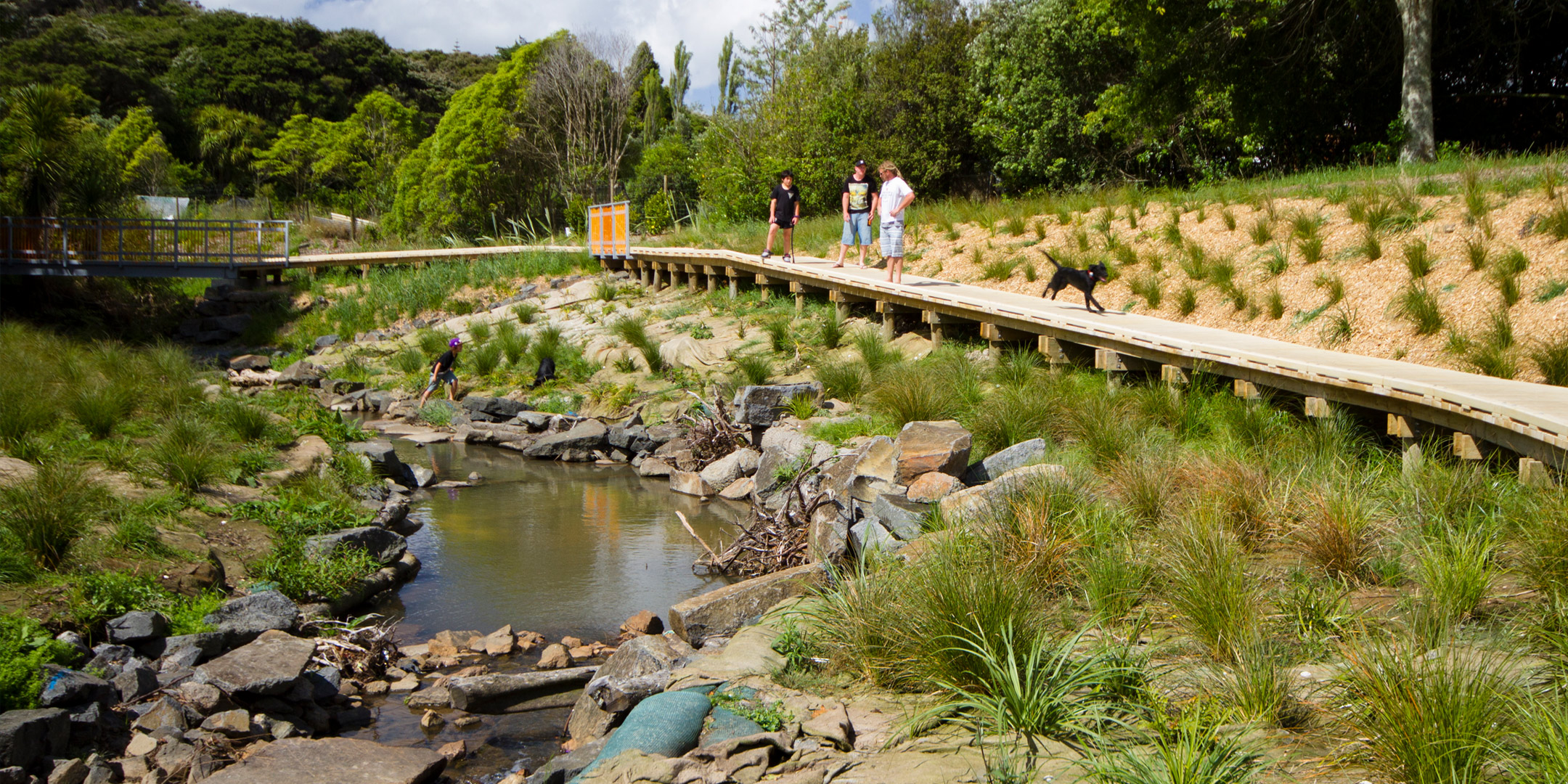
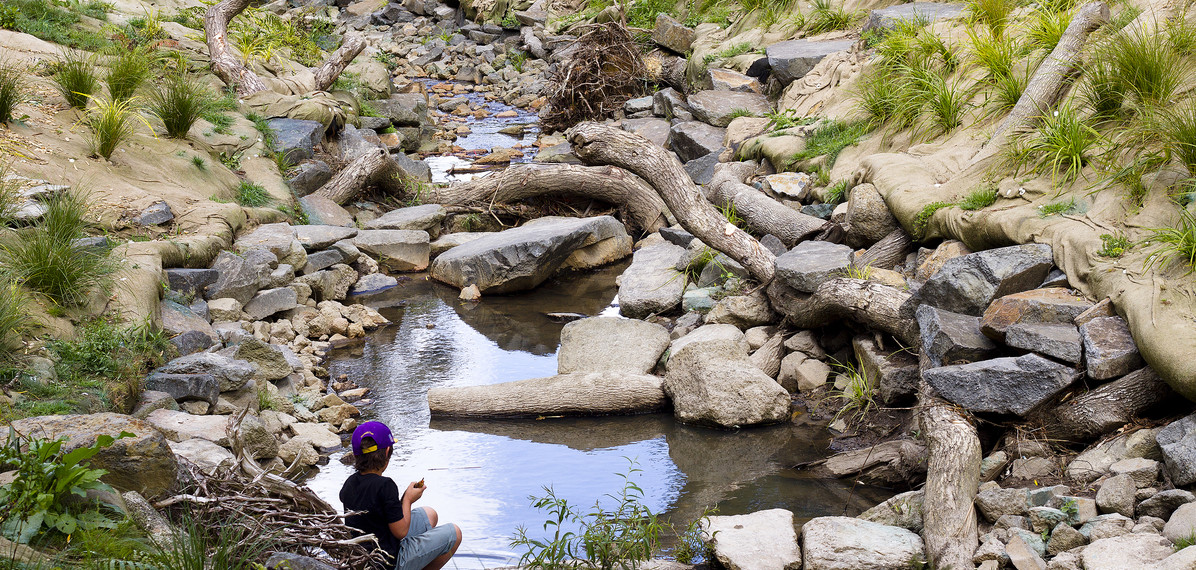
Avondale stream. A 200-metre stretch of the stream was restored by daylighting it from culverts (Boffa Miskell, n.d.). This project employed bioengineering techniques and 0.25 hectares of riparian planting made up of 5,000 eco-sourced plants (Boffa Miskell, n.d.). This award-winning project is Auckland’s first stream daylighting project.
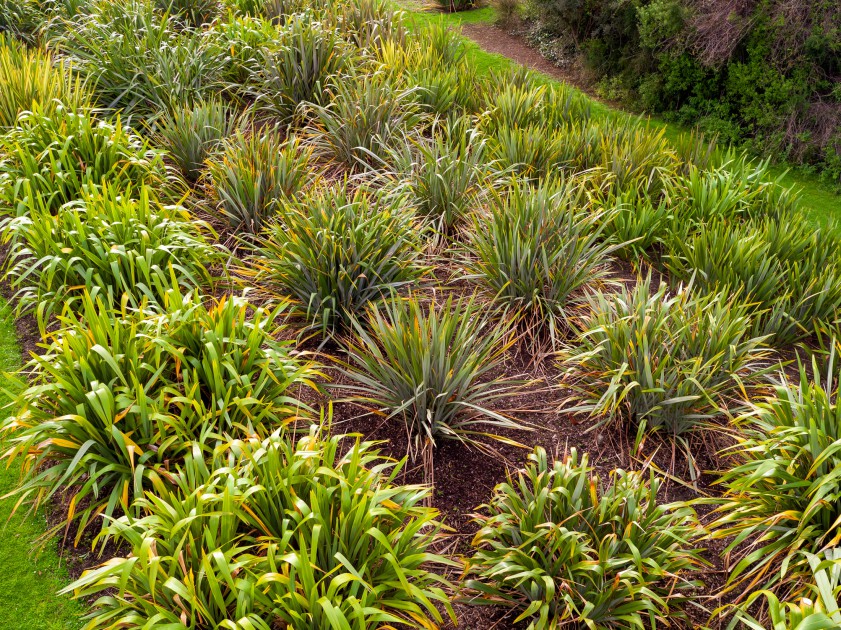
This initiative prioritised enhancing ecological, cultural, and community values. Riparian planting, integrated with large boulders to intercept sediment, was strategically utilised along the stream to enhance its ecological value and create a cohesive sense of place through designed landscaping (Boffa Miskell, n.d.).
In terms of climate change adaptation, daylit streams like the La Rosa Reserve Stream serve as urban water storage (Buchholz et al., 2016). By incorporating vegetation capable of water retention, the project enhances its resilience to climate change, effectively integrating nature-based solutions into green space, and thereby expanding the city’s green-blue infrastructure. The project has bolstered community resilience by advancing knowledge in stream ecology and catalysing positive change in urban water projects (NZILA, n.d.).
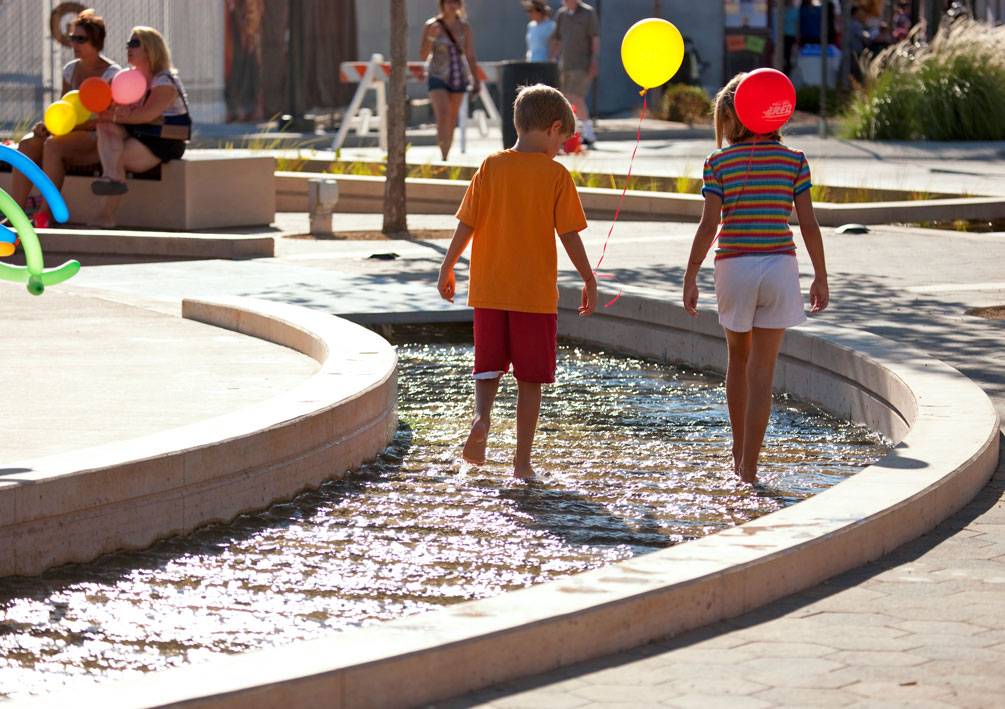
The project added recreational and educational value, fostering a stronger sense of place for local residents. The water-sensitive design mitigates extreme climatic events, which are becoming more frequent (Boffa Miskell, n.d.).
Crucially, the project embraced knowledge and concepts from the surrounding community and local iwi (Indigenous people), informing various aspects of the design, including community artwork, planting design and installation, pā harakeke (an area of planted harakeke / flax), and orchard design and installation (Boffa Miskell, n.d.). The overall benefits of the project encompass habitat restoration, improved stormwater management, and the creation of a natural asset for the community (Boffa Miskell, n.d.).


References
- Boffa Miskell. n.d. La Rosa Reserve Stream Daylighting. Project Page. Available online: https://www.boffamiskell.co.nz/projects/la-rosa-stream-daylighting. Date accessed 16 May, 2024.
- Buchholz, T.A., Madary, D.A., Bork, D., & Younos, T. (2016). Stream restoration in urban environments: concept, design principles, and case studies of stream daylighting. Sustainable Water Management in Urban Environments, 121-165.
- New Zealand Institute of Landscape Architects. n.d. Showcase: La Rosa Reserve Stream Daylighting-Boffa Miskell. Available online: https://nzila.co.nz/showcase/la-rosa-reserve-stream-daylighting. Date ccessed 16 May, 2024.
Further resources:

construction of 200 meters of watercourse that had previously flowed underground in
1100-1350mm diameter pipes. The project was the first dedicated stream daylighting
project in Auckland, and one of the mayor’s 100 projects set up to make Auckland “the
most liveable city in the world”. The design and delivery of the project was undertaken in
one year with the help of multiple stakeholders.