
● Nature-based urban design for wellbeing and adaptation in Kiribati. Fieldwork report July 2024.
Nature-based urban design for wellbeing and adaptation in the Vaisigano Catchment, Apia, Samoa. Fieldwork report November 2024.
2024. By Maibritt Pedersen Zari and Sibyl Bloomfield
Extract: Maibritt Pedersen Zari and Sibyl Bloomfield visited Apia, Samoa from 8-13 July 2024 to conduct research fieldwork as part of the NUWAO project. This trip followed earlier community work conducted in 2023 by Susana Taua’a and Anita Latai-Niusulu of the National University of Samoa (NUS) that was also part of the NUWAO project. This report should be read in conjunction with their summary and with the journal article: Working with nature, working with Indigenous knowledge: Community priorities for climate adaptation in Samoa. Published in Nature-Based Solutions, in 2024.
Objectives of the trip were:
- Observation of current challenges and climate-related risks, existing nature-based solutions (NbS) initiatives, and opportunities for new NbS, in the Vaisigano Catchment.
- Continued connection and relationship building with key individuals and stakeholders in Apia.
- Continued workshop/s with the communities in the Vaisigano River catchment, expanding on the fieldwork undertaken by Taua’a and Latai-Niusulu, with a focus on mapping and participatory design.
- Observation of current challenges and climate-related risks, existing nature-based solutions (NbS) initiatives, and opportunities for new NbS, in the Vaisigano Catchment.
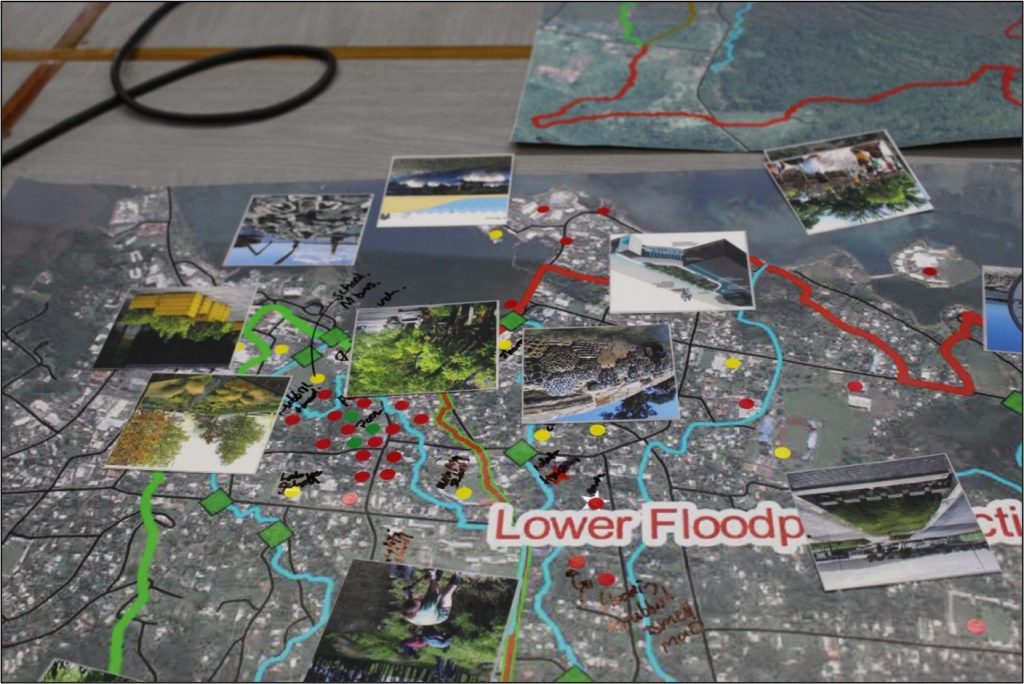
NbS Cards. Photo by Pedersen Zari 2023.
Whakaupoko o Tipu Matomato te Harakeke Mahika Kai Pā. NUWAO Report for Kāti Huirapa Rūnaka ki Puketeraki and Komiti Kaupapa Taiao
2024. By Samuel Dunstall, Maibritt Pedersen Zari, Sibyl Bloomfield, Louis Corbett, and Bonnie Gray
Extract: This research design report outlines conceptual design ideas developed with Kāti Huirapa Rūnaka ki Puketeraki, focusing on the regeneration of Tipu Matomato te Harakeke. The regeneration of Tipu Matomato te Harakeke aligns with these goals, serving as a key example of restoring ecosystems and cultural landscapes in collaboration with iwi. Tipu Matomato te Harakeke, a wetland valley, holds significant potential for regeneration as a mahika kai pā (food growing or gathering area) within the rohe (area) of Kāti Huirapa Rūnaka ki Puketeraki. This rūnaka-driven kaupapa (agenda, strategy) is grounded in the holistic enhancement of social, cultural, and ecological well-being. The opportunity exists for whānau (families) to reconnect to the site by immersing themselves in the whakapapa (genealogy), tikaka (cultural practices or customs), and mātauraka (knowledges) of their tīpuna (ancestors). This may foster a deeper sense of identity while restoring and nurturing the ecology of the site, thus honouring both cultural and ecological connections.
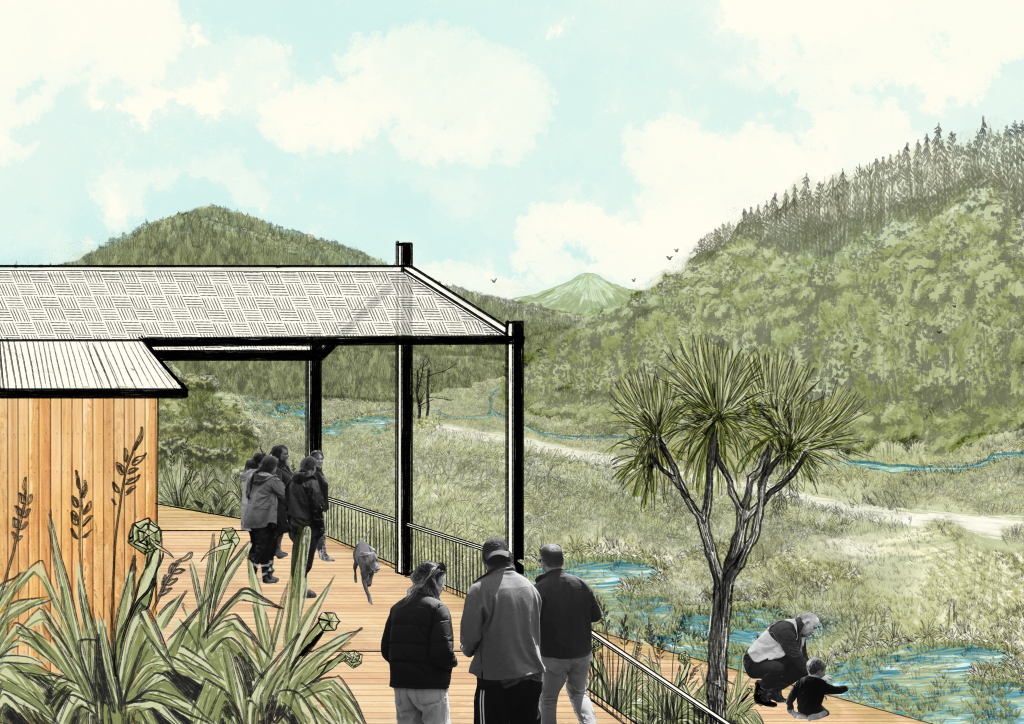
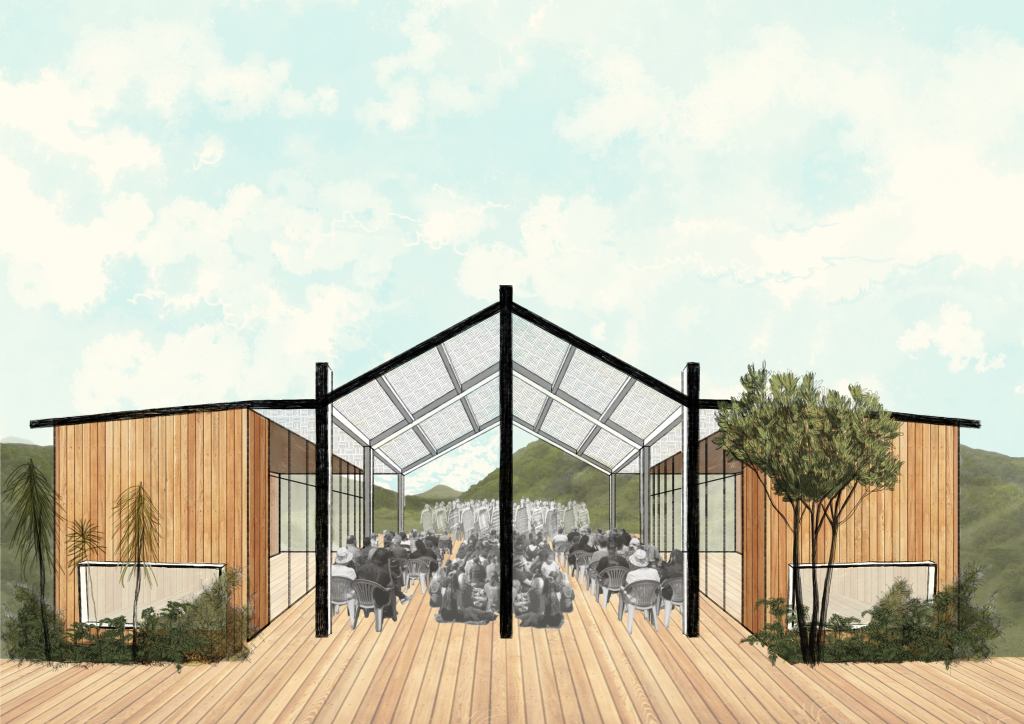
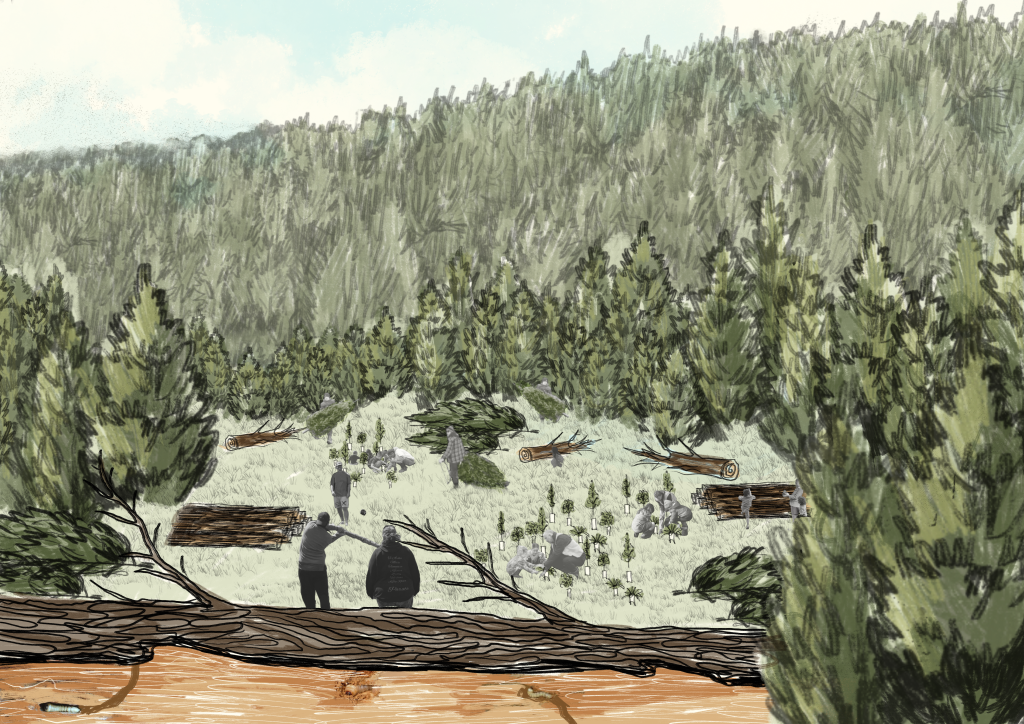
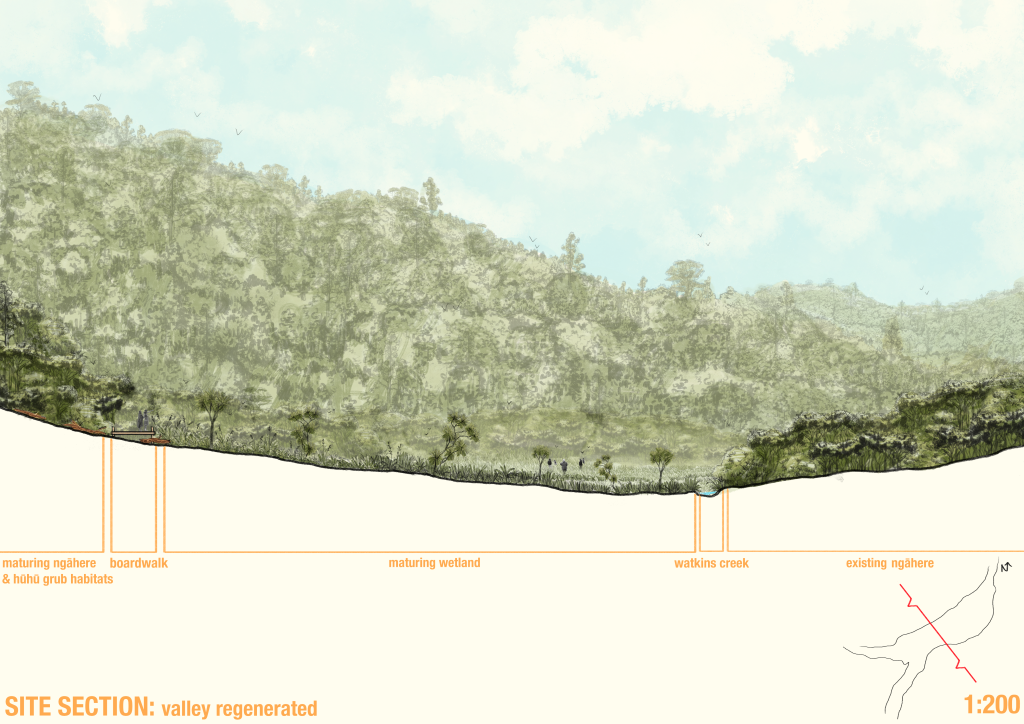
Images by Bonnie Gray
Nature-based urban design for wellbeing and adaptation in Kiribati. Fieldwork report July 2024
2024. By Luke Kiddle and Sibyl Bloomfield
Extract: Luke Kiddle and Sibyl Bloomfield visited Tarawa, Kiribati from 8-13 July 2024 to conduct research fieldwork as part of the NUWAO project. This trip followed an early scoping visit in February 2023 and came after the Government of Kiribati approved a research permit in April 2024. This report should be read in conjunction with the February 2023 scoping report. Objectives of the trip were:
• Observation of current nature-based solutions (NbS) initiatives in Nanikaai and wider South Tarawa.
• Continued connection and relationship building with key individuals and stakeholders.
• Conducting Interviews.
• Continued workshop/s with the Nanikaai community and feedback from the earlier scoping visit.
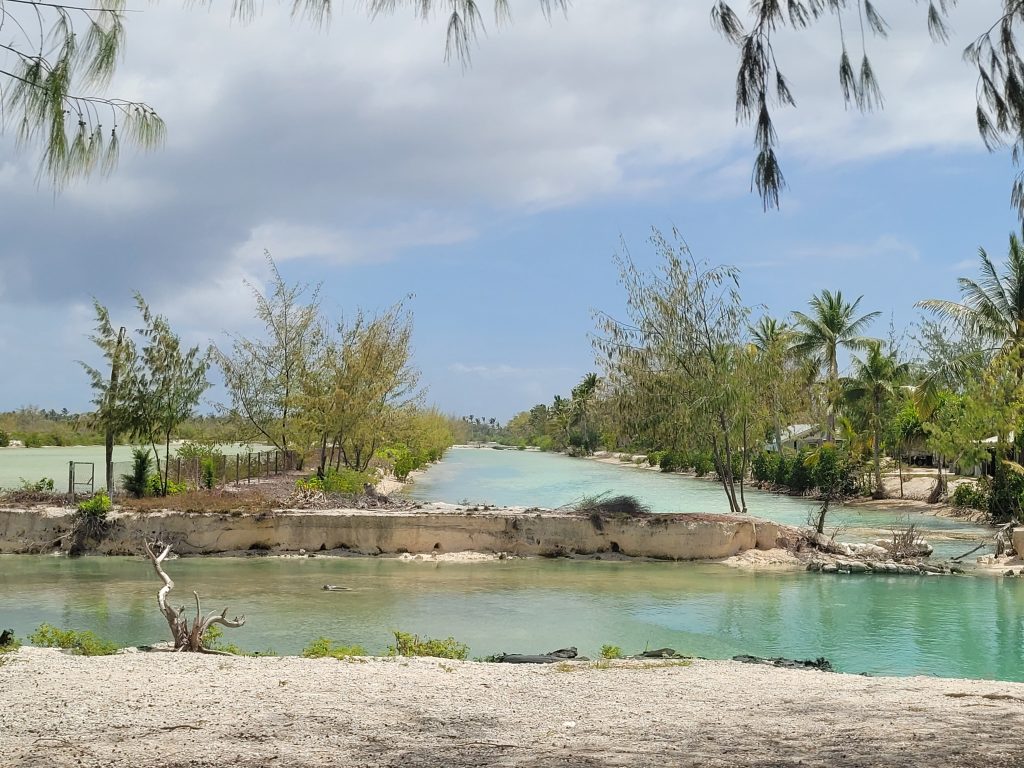
South Tarawa, 2023.
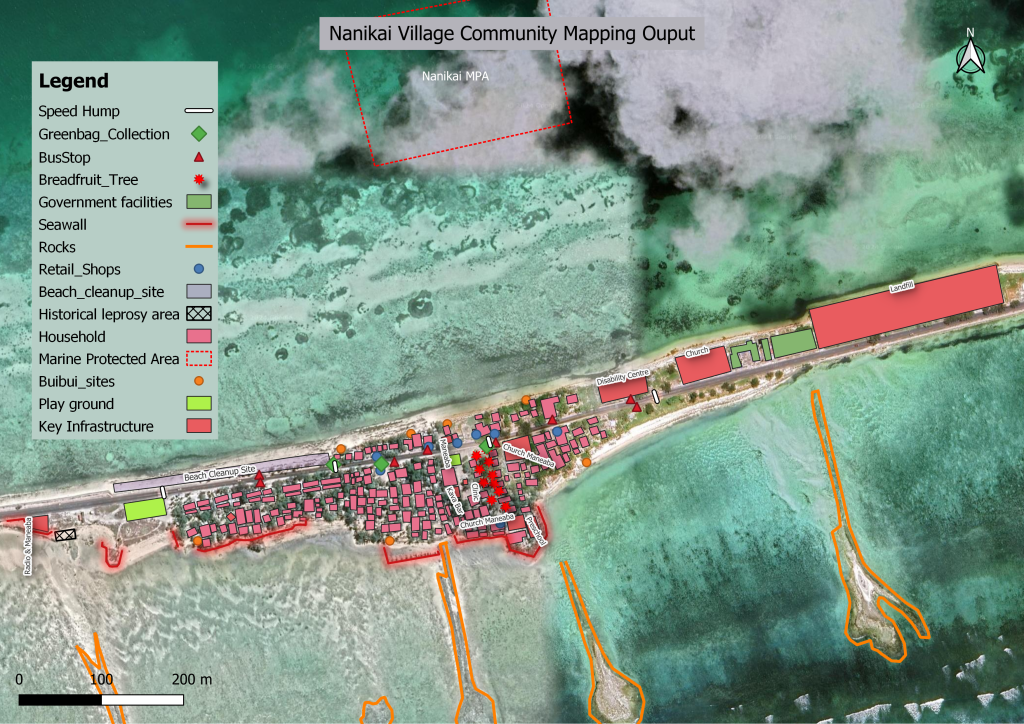
Priorities for Climate Change Adaptation in Nanikaai, South Tarawa, Kiribati. Community participatory mapping. Fieldwork report February 2023
2023. By Maibritt Pedersen Zari and Luke Kiddle
Extract: Maibritt Pedersen Zari and Luke Kiddle went to Tarawa, Kiribati from Monday 6th February – Monday 13th February 2023 to conduct research field work as part of the NUWAO project. The focus of the trip was:
• Identification of a case-study community (Confirmed: Nanikaai)
• Initial scoping and relationship building
• Initial interviews with community leaders in Nanikaai and others
• Participatory mapping workshop with Nanikaai community
• Observation of current Nature-based Solutions (NbS) initiatives in Tarawa
Transformative urban and architectural design values for wellbeing and adaptation in New Caledonia – Fieldwork report July 2023
2023. By Maibritt Pedersen Zari and Amanda Yates
Extract: Associate Professor Maibritt Pedersen Zari (NUWAO) and Associate Professor Amanda Yates (Building Better Homes, Towns and Cities (BBHTC) Urban Wellbeing programme) of AUT’s School of Future Environments visited and held workshops in several Kanak communities in both urban and semi-urban settings in New Caledonia from the 8th to the 19th of July 2023 to understand:
● Indigenous perspectives on relationships between people, land, ocean and the living world;
● what underpins Kanak wellbeing in relation to the built environment; and
● how these concepts do or could feed into transformative change.
They also talked to social housing workers and youth workers.
The research was in collaboration with the New Caledonian Government’s Construction Department and a larger ‘Oceanian Habitat’ project resourced by the Pacific Fund (FP).

Nouméa, New Caledonia.
Indigenous thinking about nature-based solutions and climate justice
2022. By: Mercia Abbott, Tokintekai Bakineti, Lyn Carter, Anita Latai-Niusulu, Willy Missack, Ihaia Puketapu and Rebecca Kiddle
For: The British Academy. Online
Extract: Indigenous peoples, as 5% of the world’s total population, protect over 80% of the world’s biodiversity. Underpinning an Indigenous approach to nature-based solutions is the commitment to climate justice. Climate justice is founded on the truth that power and privilege cut across climate policy and climate law. Climate causes, consequences and remedies must be informed by analysis of power and intersectional identities. Climate justice recognises and seeks to empower Indigenous knowledge.

Tarawa, Kiribati